
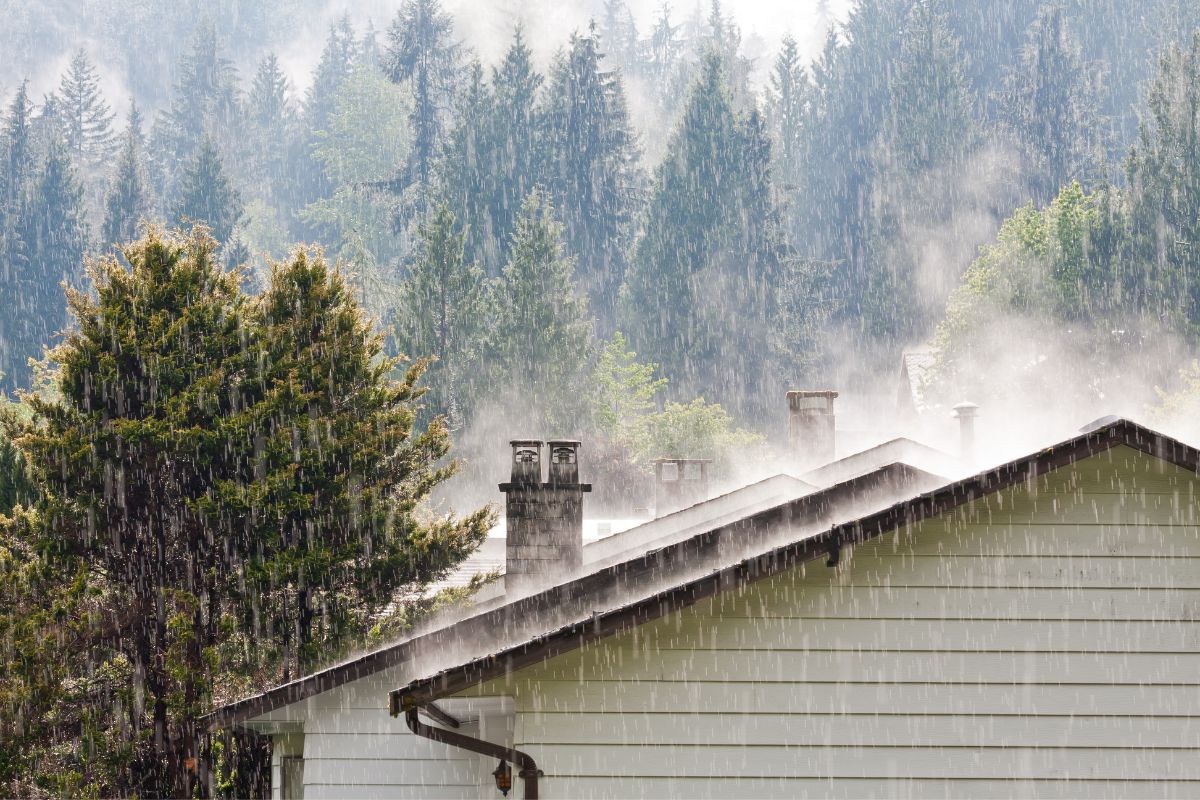

As the saying goes, “a good roof over your head keeps you safe and warm.” But what happens when extreme weather comes knocking? Don’t wait until it’s too late to protect one of the most important parts of your home. In this blog post, we’ll share 7 essential steps to safeguard your roof from Mother Nature’s wrath. From routine maintenance to emergency preparedness, we’ve got you covered. Let’s make sure your roof stands strong through any storm!
Step 1: Regularly Inspect Your Roof
Regularly inspecting your roof is the first step in ensuring its protection against extreme weather conditions. By conducting routine inspections, you can identify any potential issues before they escalate into larger problems.
Start by visually examining your roof from the ground, looking for missing or damaged shingles, signs of water damage, or sagging areas. Don’t forget to check your attic for leaks and proper insulation.
It’s also essential to schedule professional roofing inspections at least once a year to catch any hidden issues early on. A trained eye can spot problems that may go unnoticed during a cursory inspection.
Remember, prevention is key when it comes to maintaining a sturdy roof that can withstand harsh weather elements. Stay proactive and vigilant in monitoring the condition of your roof regularly.
Step 2: Perform Necessary Repairs and Maintenance
When it comes to protecting your roof from extreme weather, performing necessary repairs and maintenance is key. Regular upkeep can help prevent small issues from turning into big problems down the line.
Make sure to check for any missing or damaged shingles that may need replacing. It’s also important to seal any cracks or gaps to prevent water leaks during heavy rainstorms or snowfall.
Don’t forget about your roof flashing – this thin metal strip helps protect vulnerable areas of your roof from water damage. Inspect it regularly and replace any sections that show signs of wear and tear.
By staying proactive with repairs and maintenance, you can ensure that your roof stays strong and resilient in the face of whatever Mother Nature throws its way.
Step 3: Reinforce Your Roof with Proper Materials
When it comes to protecting your roof from extreme weather, reinforcing it with proper materials is crucial. Choosing the right materials can significantly enhance the durability and strength of your roof.
Opt for high-quality shingles that are designed to withstand harsh elements like strong winds, heavy rain, and snow. Additionally, consider using impact-resistant materials that can protect your roof from hail damage.
Metal roofing is another excellent option known for its durability and longevity. It’s resistant to fire, rotting, insects, and can handle severe weather conditions with ease.
Investing in proper underlayment and insulation can also help reinforce your roof against extreme temperatures and moisture infiltration. These layers provide an extra barrier of protection for your home.
By selecting the right materials for your roof, you’re not only safeguarding it against extreme weather but also increasing its lifespan and value in the long run.
Step 4: Clean Gutters and Downspouts
When it comes to protecting your roof from extreme weather, cleaning your gutters and downspouts is a crucial step that should not be overlooked. Leaves, debris, and other blockages can prevent proper water drainage, leading to potential water damage and leaks in your home.
Regularly clearing out your gutters ensures that rainwater flows smoothly off the roof instead of pooling up and causing structural issues. Clogged gutters can also attract pests or insects looking for standing water to breed in.
A simple task like removing leaves and debris from your gutters can save you from costly repairs down the line. Make sure to check for any signs of damage while cleaning them out – loose screws or sagging sections could indicate a need for repairs.
By taking the time to clean your gutters regularly, you are investing in the longevity of your roof’s health and overall protection against harsh weather conditions.
Step 5: Trim Trees and Nearby Branches
One important step in protecting your roof from extreme weather is to trim trees and nearby branches. Overgrown branches can pose a serious threat during storms, strong winds, or heavy snowfall.
By keeping trees properly trimmed, you reduce the risk of branches falling onto your roof and causing damage. Regular maintenance ensures that there are no weak or dead branches that could potentially break off and land on your home.
Additionally, trimming trees away from your roof helps prevent debris buildup which can clog gutters and create drainage issues. This simple task not only safeguards your roof but also promotes overall safety for you and your property.
Remember to hire a professional if the tree trimming requires specialized equipment or poses any safety risks. Stay proactive in maintaining a clear perimeter around your home to protect it from potential hazards in extreme weather conditions.
Step 6: Secure Loose Items on Your Roof
When it comes to protecting your roof from extreme weather, one crucial step is securing any loose items that could potentially cause damage during a storm. Loose shingles, debris, or equipment left on the roof can become hazardous projectiles when strong winds hit.
Take the time to inspect your roof regularly and ensure that all items are properly secured or stored away. This simple preventive measure can save you from costly repairs down the line.
Invest in quality roofing materials that can withstand harsh weather conditions and avoid using lightweight or flimsy items that might easily get blown away.
Remember, a little effort now to secure loose items on your roof can go a long way in safeguarding your home against the unpredictable forces of nature.
Step 7: Have a Plan for Emergency Situations
Having a plan for emergency situations can make all the difference when extreme weather strikes. Whether it’s knowing where to find shelter or having contact information for roofing professionals on hand, being prepared is key. By following these 7 essential steps to protect your roof from extreme weather, you can help safeguard your home and loved ones against the elements. Stay safe and be proactive in maintaining the integrity of your roof!
Conclusion
By following these 7 essential steps, you can ensure that your roof is well-protected from extreme weather conditions. From regular inspections and maintenance to choosing the right materials and reinforcing weak areas, each step plays a crucial role in safeguarding your roof against potential damage. Don’t wait until it’s too late to protect one of the most important parts of your home – take action now and give yourself peace of mind knowing that your roof is prepared for any type of weather. With proper care and attention, you can extend the lifespan of your roof and keep it strong for years to come.